
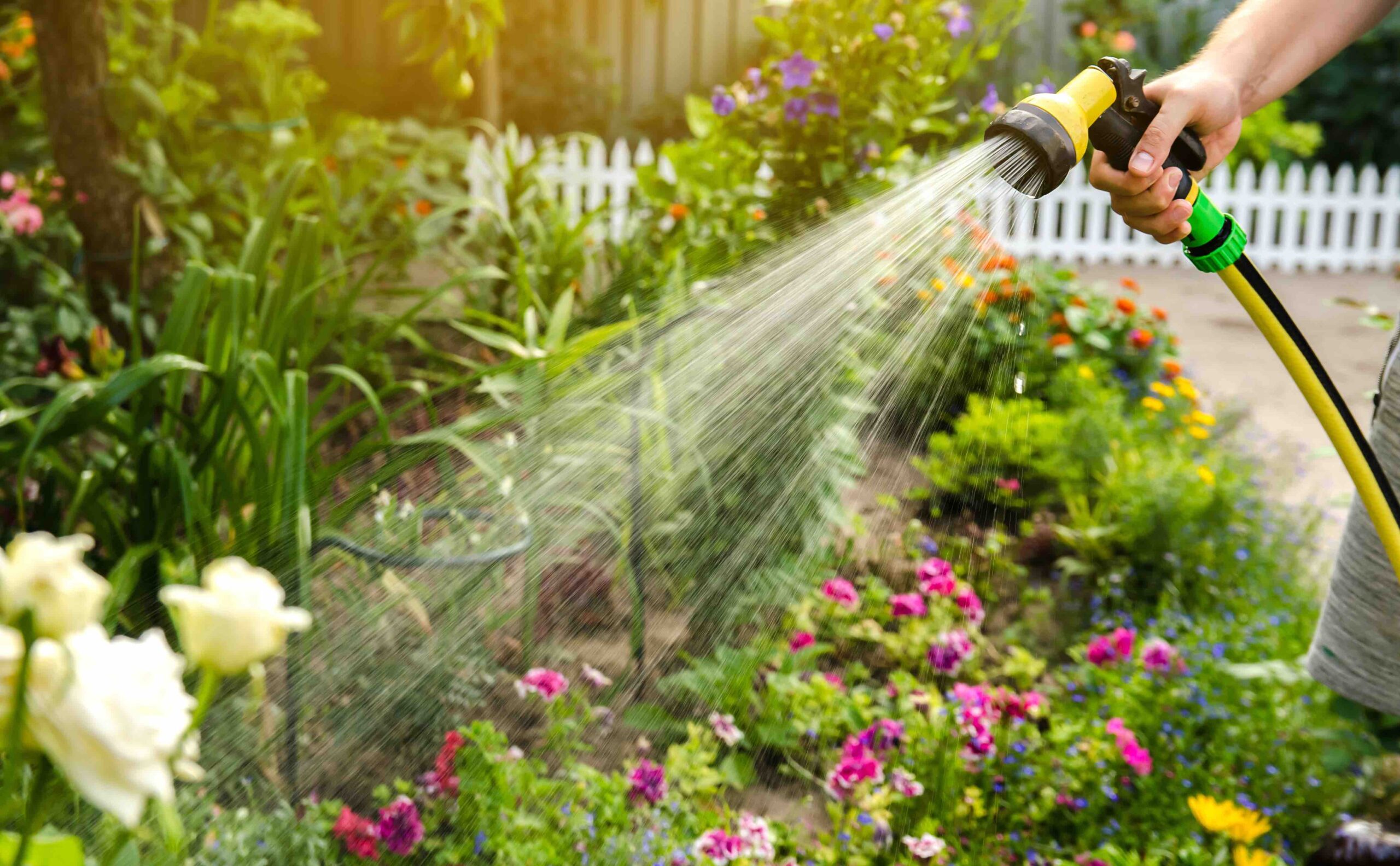
On Tuesday 18 August 2026, Wessex Water announced its first hosepipe ban in 50 years, following months without any significant rainfall.
The water company claims that demand is currently 30% higher than average.
Around 1.4 million Wessex Water customers across Dorset, Wiltshire and Somerset have been hit by the hosepipe ban – the first since the long, hot summer of 1976.
Not all of the BCP area is affected. Bournemouth Water does not currently have a hosepipe ban in place (correct at time of publishing: 17 August 2026).
At Plants and Minds, we believe that gardens can still thrive in drought. We know that the hosepipe ban will be a concern for customers of Chestnut and Cherry Tree Nursery who live in the Wessex Water region – so follow our easy tips to keep your plants’ thirst quenched during the restrictions.

- Watering gardens, lawns, flowers and plants.
- Filling or maintaining paddling pools and swimming pools.
- Washing private vehicles.
- Cleaning patios, paths, driveways, walls and windows.
- Filling ornamental ponds or fountains.
- Cleaning other artificial outdoor surfaces.
However, gardeners can still legally:
- Water plants using a watering can.
- Use rainwater collected in water butts (if it rains!)
- Fill up a bucket for cleaning vehicles.
Scroll down for tips on how to water effectively using a watering can.
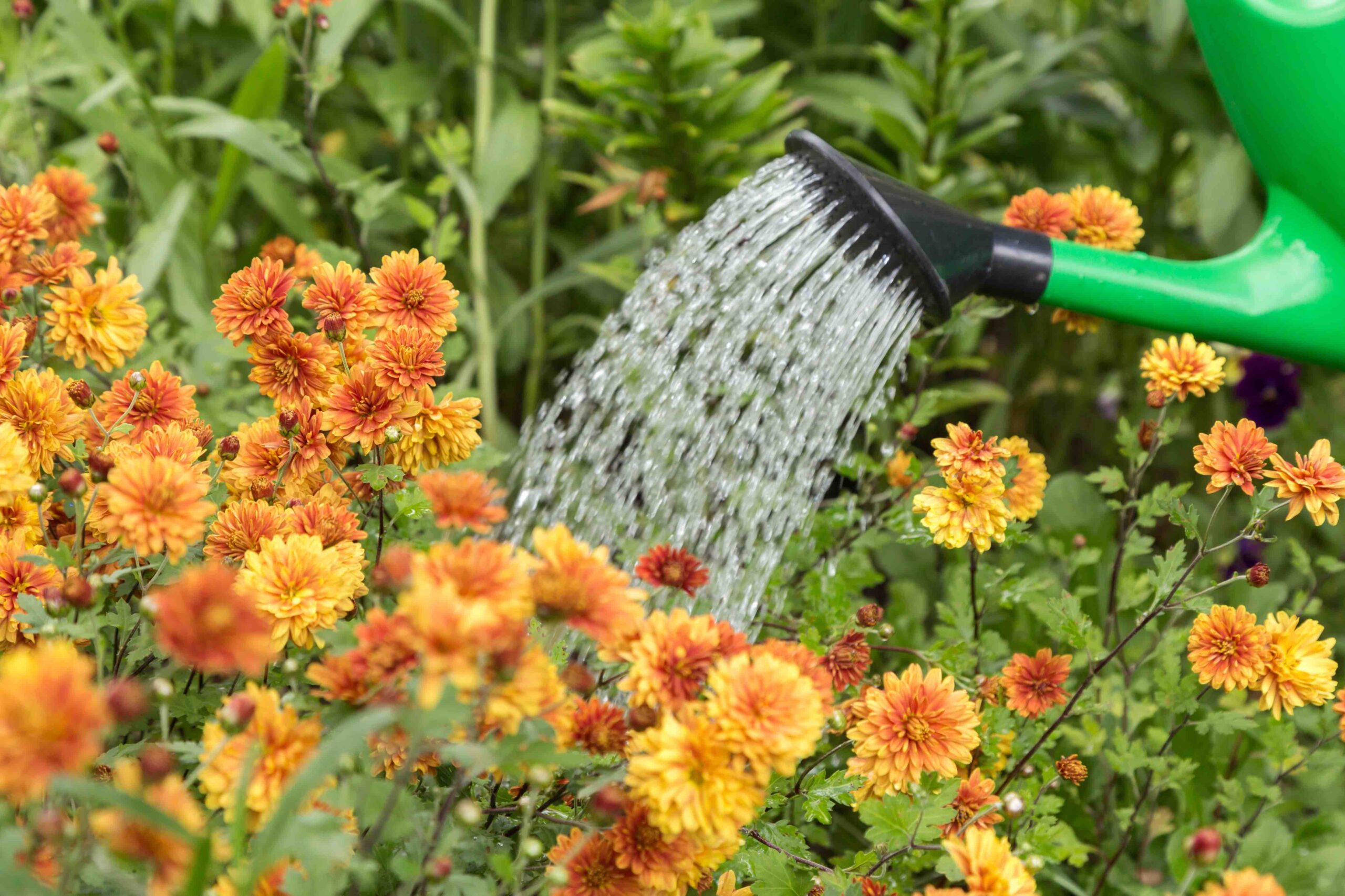
For best results, water first thing in the morning, just as plants begin to draw moisture from the soil. Less water will be lost to evaporation, and plants will have plentiful supplies of moisture to see them through the heat of the day.
If watering early isn’t an option, get out with the watering can just before dusk, when temperatures are cooler. However, soaking beds and borders before nightfall can encourage slugs and snails.

There’s no need to drench entire flower beds. Direct water at the base of plants and crops, where it’s needed. Repeat if necessary on light soils, once the first watering has soaked in.
Avoid splashing foliage, which can result in wastage and puts plants at risk of being scorched when the sun is strong.
Prioritise summer bedding plants, thirsty edible crops, container plants and recently planted perennials for watering. Established trees and shrubs with deep root networks will be more resilient to drought, as will succulents.
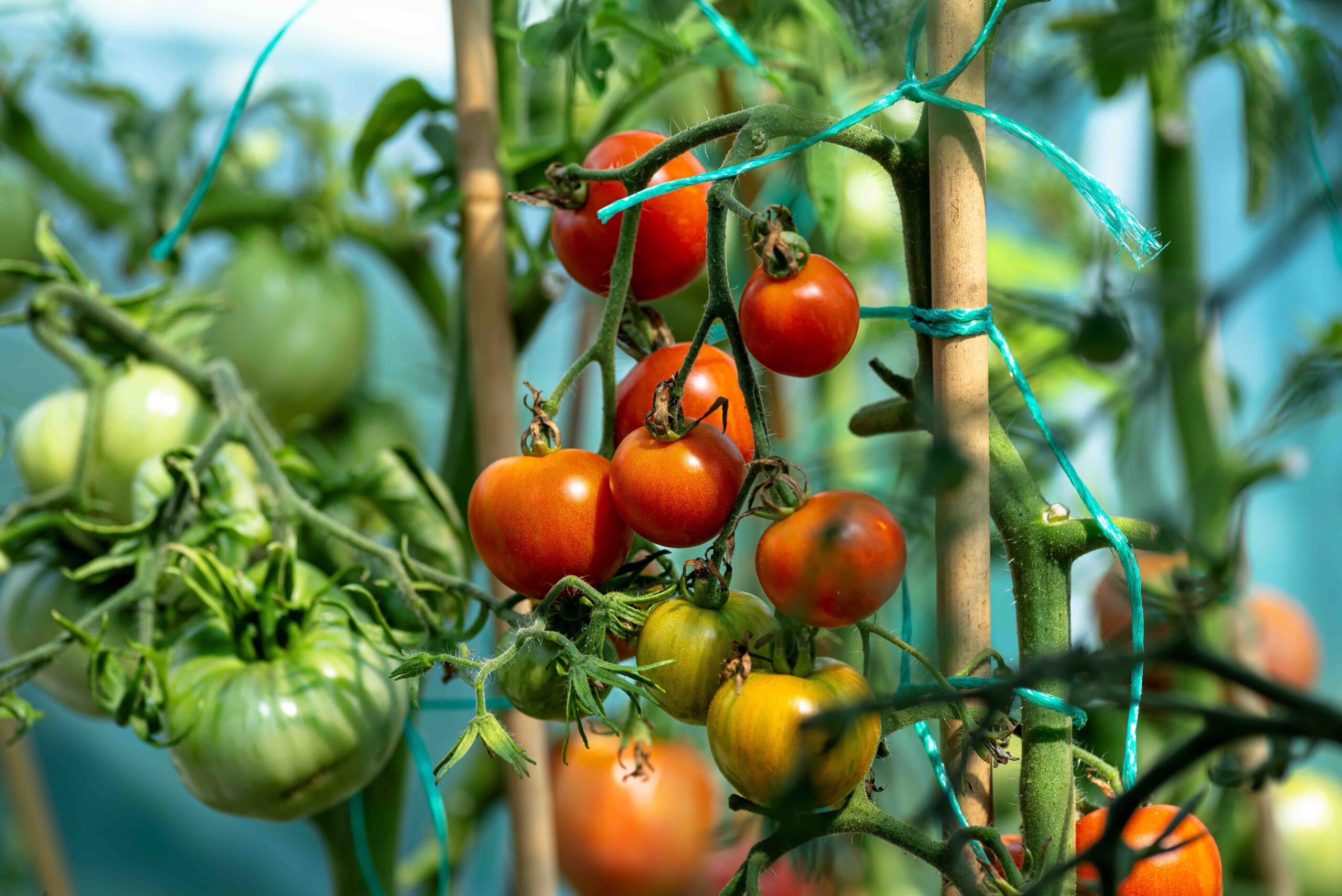
Stand growing bags in large plastic trays, then use a knife to puncture the sides of the bags, close to the base, before filling trays with water using a watering can. Roots will gradually draw moisture as it’s needed.
Similarly, container plants in the garden should be placed in deep plastic saucers. These will act as reservoirs when filled, while also catching water run off and preventing wastage.

Moving container plants into areas of shade or semi-shade can significantly cut their need for watering. They might not flower as profusely, but it’ll help them to survive until rain arrives.
However, not all gardens – especially those at new builds – have the luxury of mature trees that cast an element of shade.
As a temporary measure, windbreaks (pictured, above), widely available at beach shops, can be erected to shield plants from the intense heat of late-summer sun, helping to reduce demand for watering.
Shady areas such as paths behind sheds and garages can also provide container plants with a much-needed break from baking sunshine.
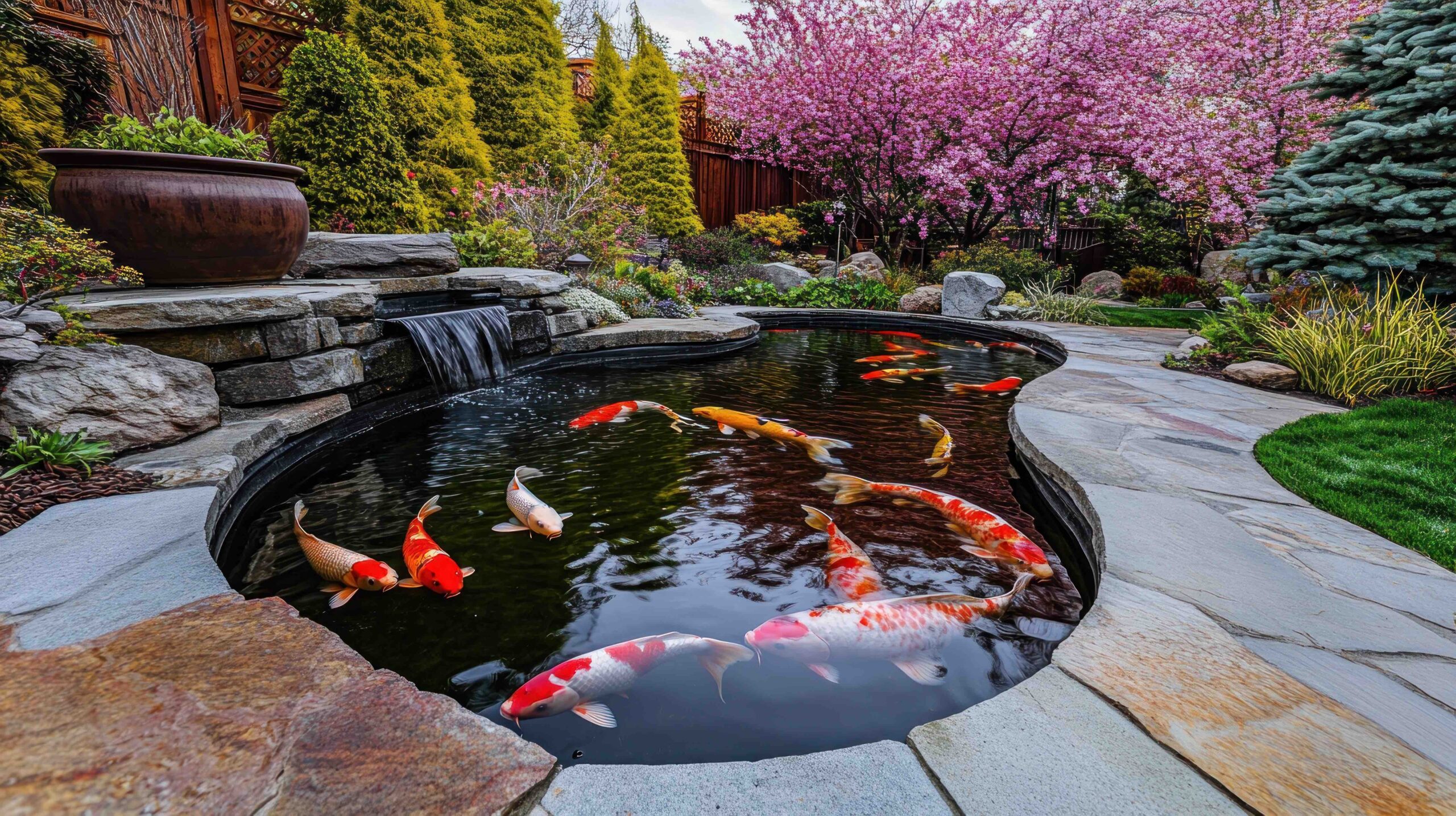
Levels in garden ponds can drop during drought, putting fish and marginal plants at risk.
While hosepipe bans apply to ornamental garden water features, ponds that are home to fish are usually exempt.
Ponds should not be directly topped up with tap water from a hose, which can upset the natural balance of aquatic ecosystems.
Instead, fill cans with water and allow it to stand for 48 hours before gently adding it to ponds. This provides time for additives such as chlorine to dissipate, while water in cans will be at a similar temperature to the pond, preventing a shock to fish when it’s introduced.
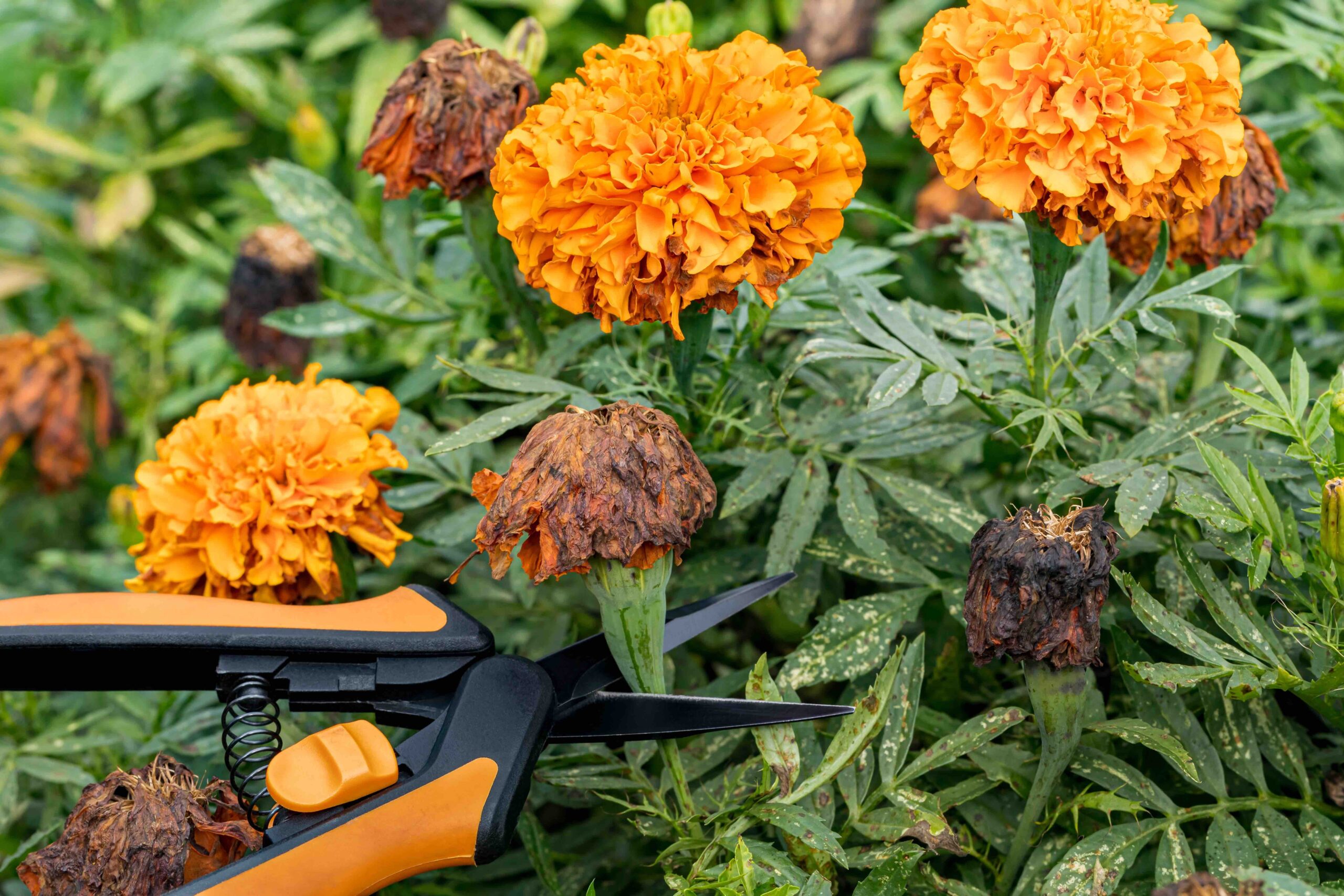
In late summer, flowering plants – especially bedding plants – channel vast amounts of energy into setting seed.
To reduce plant stress, and cut water consumption, regularly snip off fading and dead blooms – a process known as dead-heading. This simple but effective action will help to prolong flowering displays and keep colour coming into autumn.
Weeds compete with plants for moisture and nutrients, too, so remove any intruders promptly and don’t allow them to set seed.

It’s only effective, however, when soil is moist, so use a watering can to thoroughly soak the area at the base of plants before mulching to help retain as much moisture as possible.
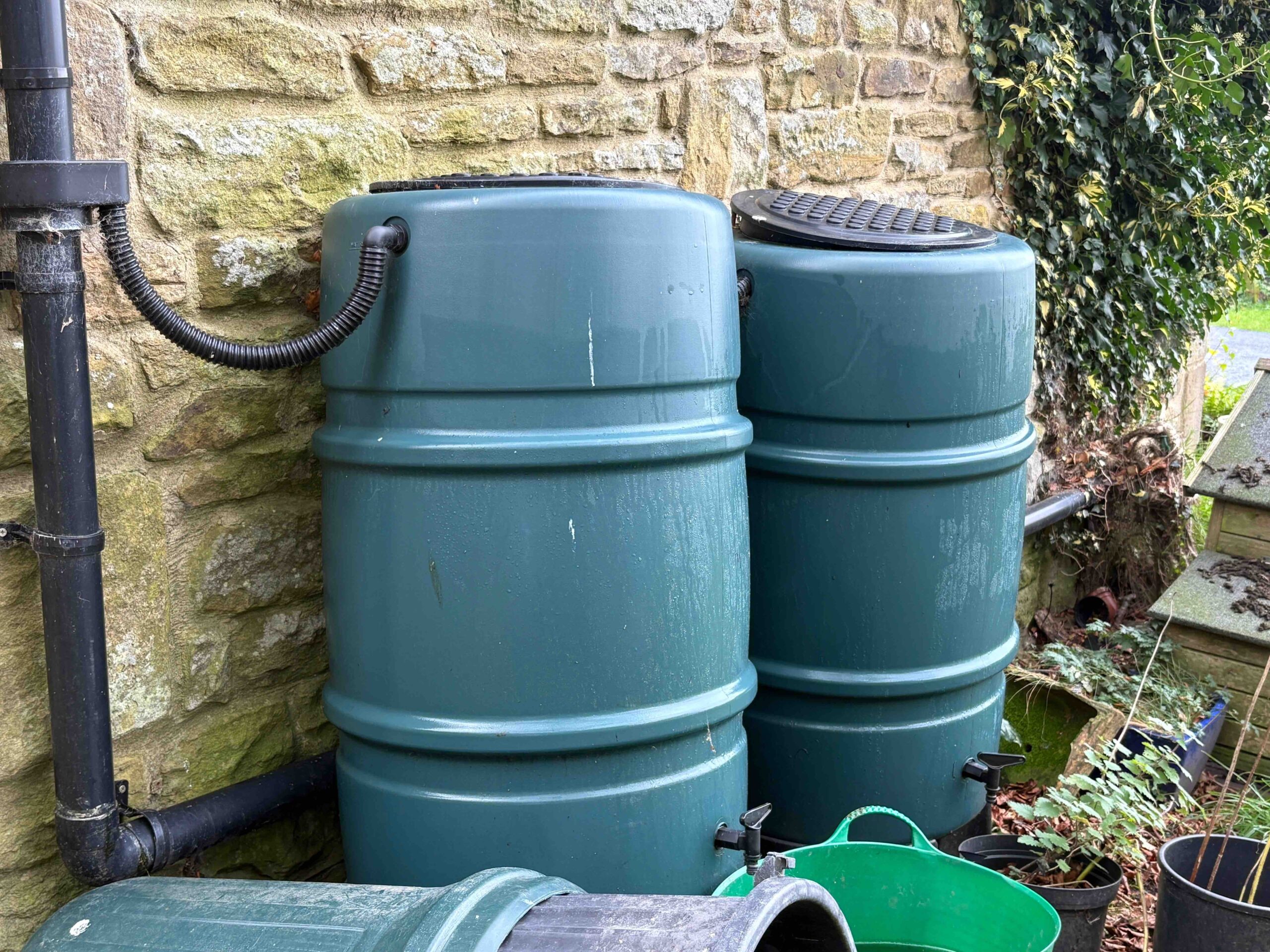
The summer break is a great opportunity for gardeners to boost their rainwater harvesting capacity, which is going to become essential as summers become hotter and drier due to climate change.
Linking multiple water butts together using a simple kit available from DIY stores (pictured, above) allows water from one butt to overflow into another in a domino effect. It’s an easy project, and one that can capture thousands of litres of rainwater during wet weather, storing it for when it’s needed.
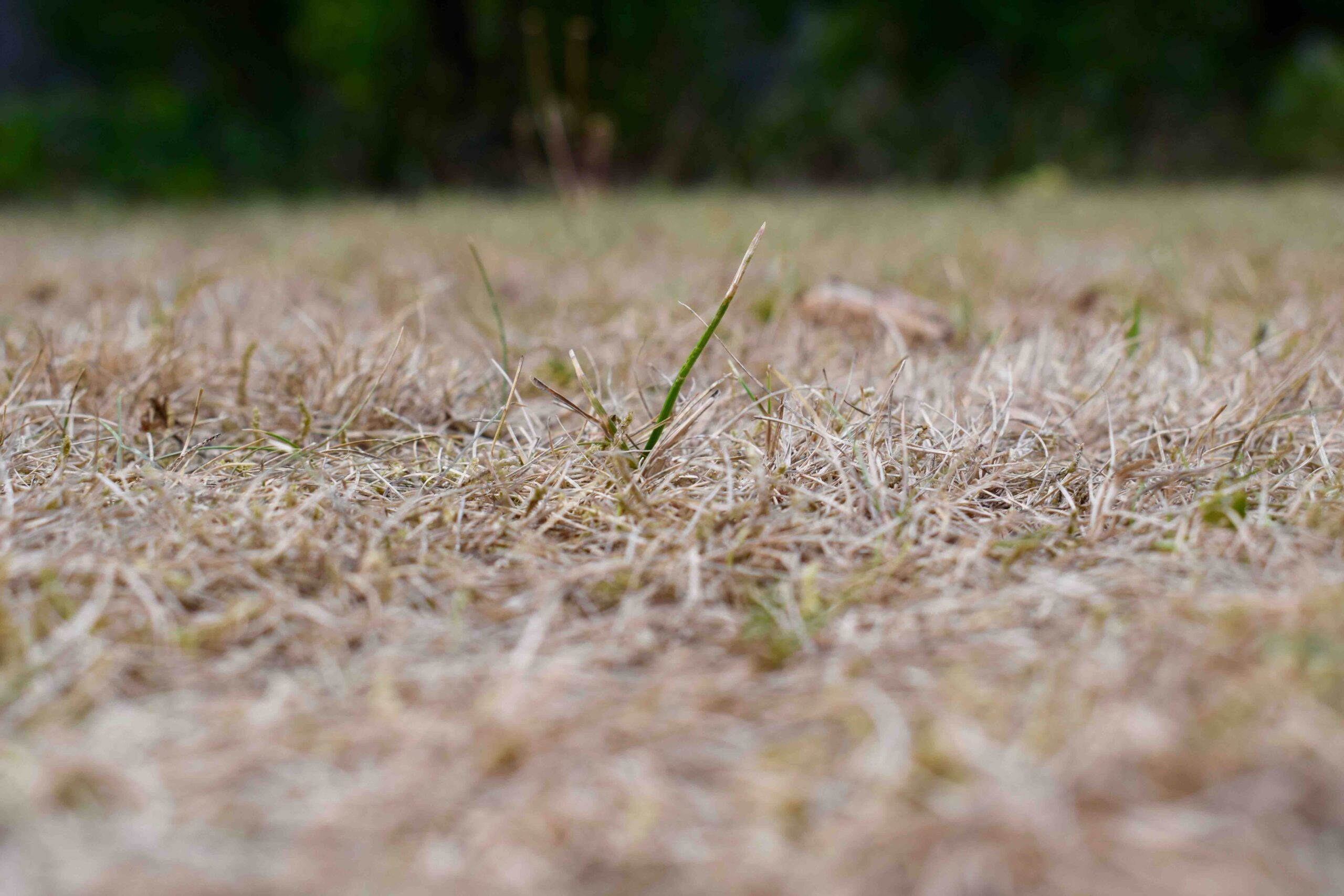
For now, learn to love your brown lawn, then in autumn when the ground is moist again, use an electric scarifier to pull thatch (dead material) from the sward. Once complete, add lawn seed (a process known as overseeding) to thicken up sparse and patchy turf.
All text copyright Plants and Minds 2026. All images: Shutterstock.