Team Members

Here, you can find out how to become a team member at Cherry Tree Nursery in Bournemouth or Chestnut Nursery in Poole, which run highly successful therapeutic horticulture programmes…
Introducing Our Team Members
Cherry Tree and Chestnut Nurseries support adults with life-impacting mental health conditions, enhancing their wellbeing via therapeutic horticulture.
People over the age of eighteen, who have been diagnosed with a mental health condition, can work on a voluntary basis at our nurseries. Regrettably, we are unable to accept referrals for people with learning disabilities.
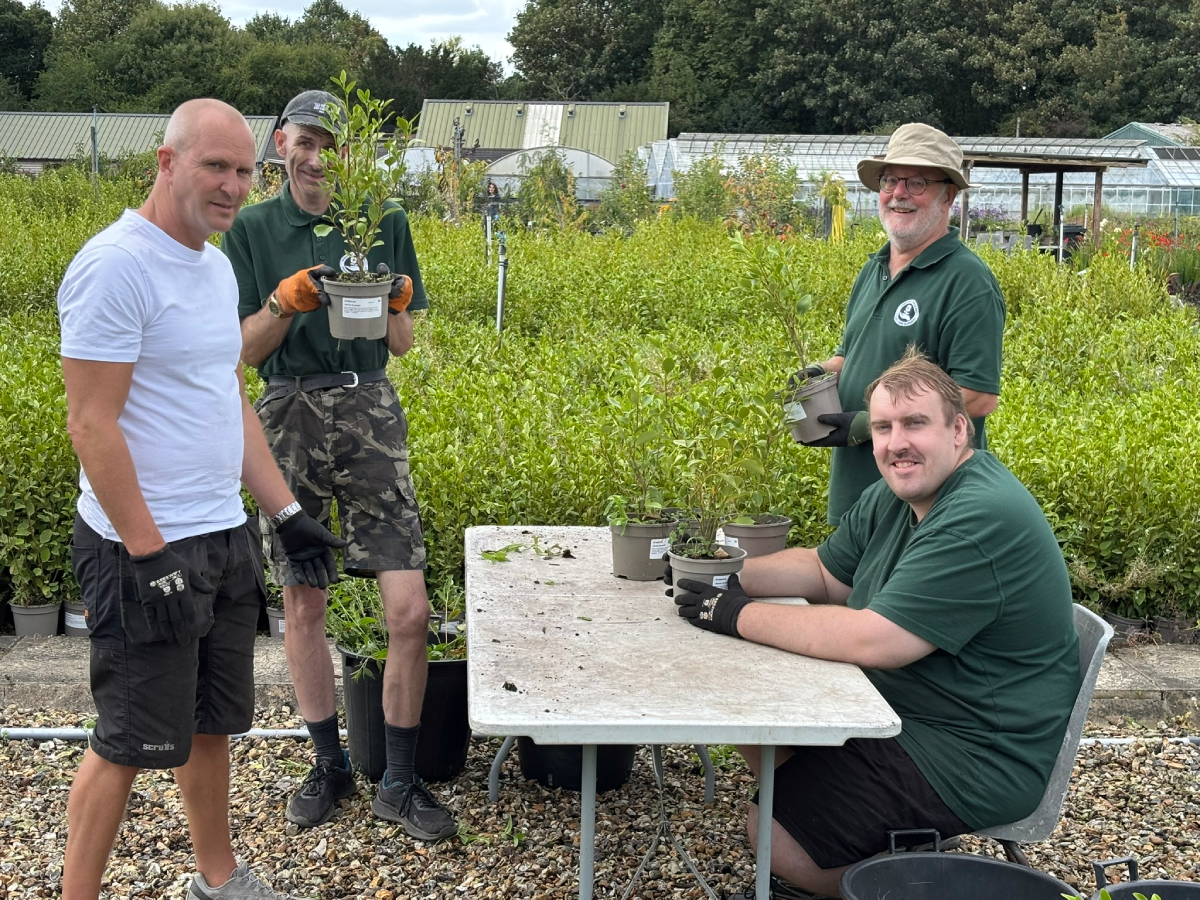
Everyone referred is known as a team member, becoming part of a friendly, family-like community where they’re supported to overcome obstacles that have held them back in the past, gain confidence and fulfil their goals.
Our nurseries are happy, pressure-free, non-judgemental safe spaces where everyone is treated with respect and compassion. In short, we’re a close-knit community where mental health does not define us.
Up to 80 team members attend Cherry Tree Nursery on any given week, with around 45 people a week coming to Chestnut.
Every team member’s contribution, large or small, is invaluable and ensures our nurseries thrive. Team members are not paid, and there is no competition. It’s okay to have a bad day and support is always available. Our team members come from varied backgrounds but share similar challenges in life, so they support each other and build new friendships.
What Do Our Team Members Do?
Working with plants in the fresh air, surrounded by nature, has proven benefits for improving mental health and enhancing wellbeing.
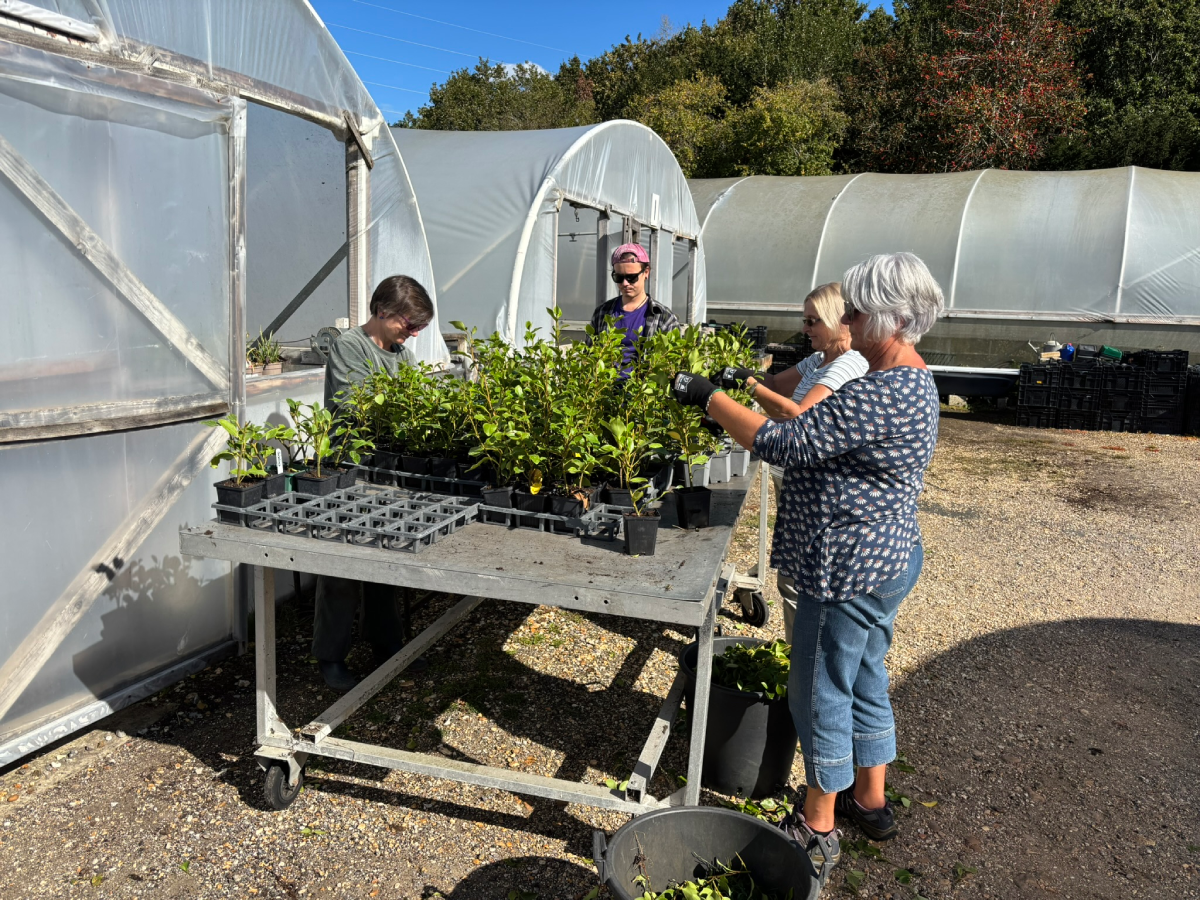
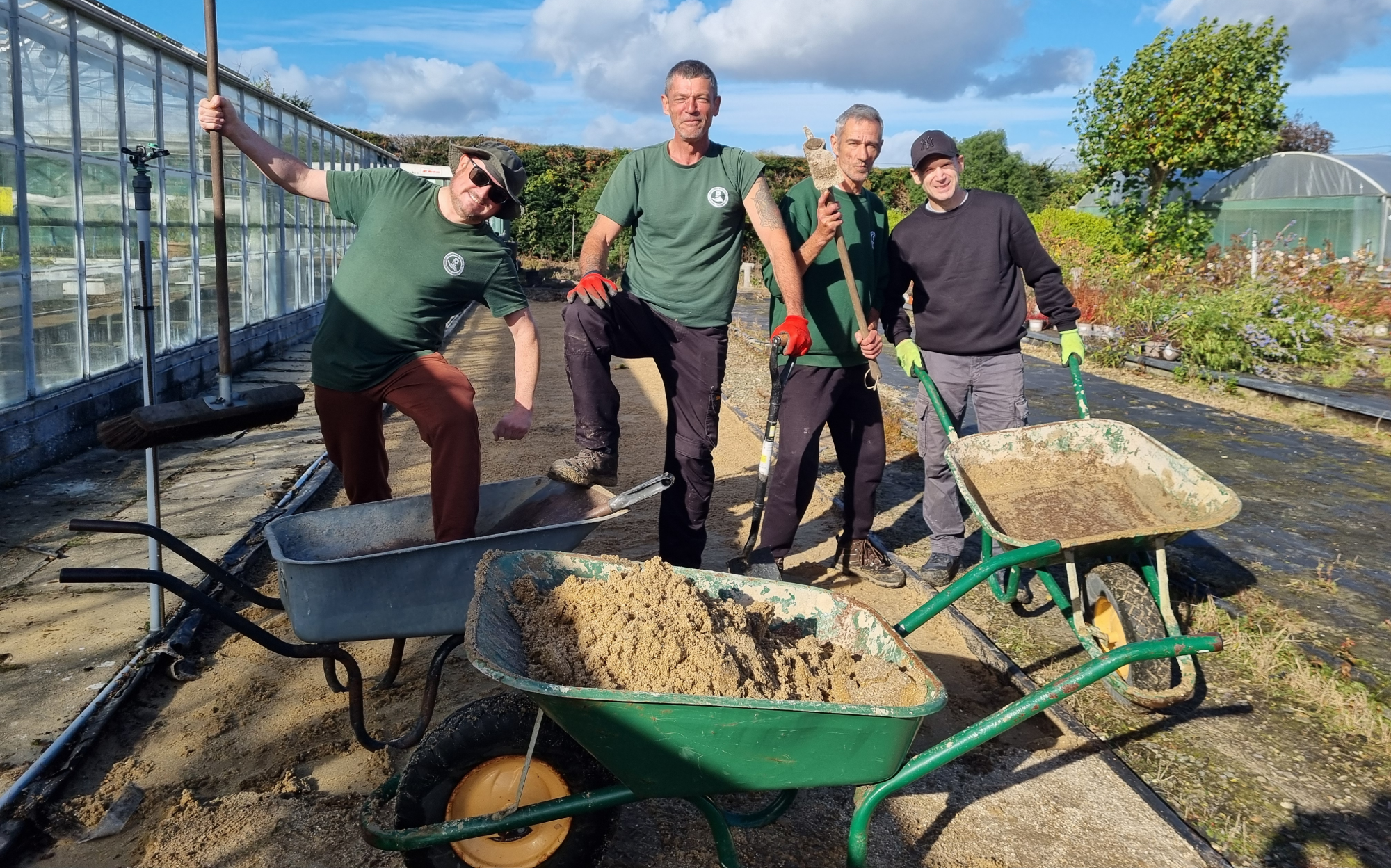
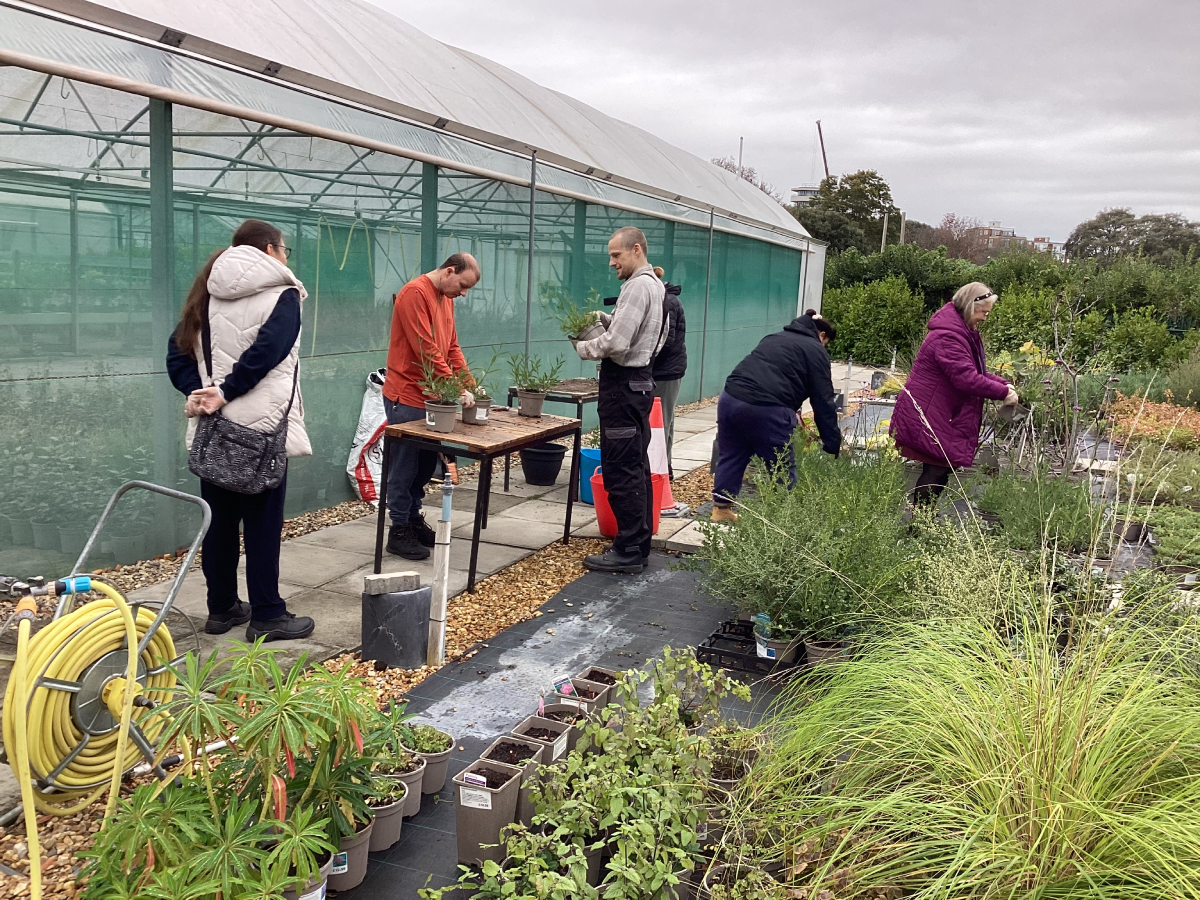
Team members enjoy a wide variety of activities at the nurseries, including potting, taking cuttings, growing seasonal plants, watering, weeding, helping with maintenance and nurturing stock into pristine condition for sale to customers. Others help out in retail areas, assisting with till duties, stock replenishment and delivering plants to customers.
Some team members prefer to assist with domestic duties – or help with producing plant labels and sending out mail-shots. All work is organised, supervised and allocated by staff.
Some team members stay for many years, while others move on quickly. Some return to paid employment, while others enrol on college courses to gain new skills and qualifications, or take on different voluntary work.
Social Benefits For Team Members
Plants and Minds organises events throughout the year to give team members opportunities to socialise and visit new places.
The programme has included trips to the Tower of London and Great Dorset Steam Fair. The annual Harry Roffey Day outing, held in memory of a former supporter, has taken team members to Kew Gardens, RHS Wisley and Forde Abbey. Other outings have included bird watching and boat trips.
From the annual summer barbecue to the end-of-year Christmas party – along with regular workshops and creative activities – everyone can meet and socialise with new people.

How To Become A Team Member
Anyone aged 18+ who is experiencing mental health challenges can ask to be referred by a mental health professional to Cherry Tree or Chestnut Nursery – but must have an official mental health diagnosis. We are unable to accept self-referrals. Channels of referral include:
Access Well Being
Access Wellbeing operates walk-in mental health hubs in Poole and Bournemouth – no appointment needed. Visit www.dorsetaccesswellbeing.co.uk to find your nearest hub.
Steps 2 Wellbeing
Steps 2 Wellbeing is a free, NHS talking therapies service for anxiety and depression, catering for adults in Dorset and Southampton. Visit www.steps2wellbeing.co.uk to find out more.
Community Mental Health Teams
Community Mental Health Teams (CMHT) support adults experiencing significant mental health issues. Visit https://tinyurl.com/2s43yma8 for details.
Examples Of Support Available For Team Members
• Travel expenses to and from the nurseries
• Emergency transport funding
• Specialist Disability Rights Advice and Citizens Advice service including crisis support with:
◦ Essential appointments
◦ Housing and accommodation
◦ Benefits and financial security
• Signposting to further specialist support services including:
◦ Debt and budgeting
◦ Employment and further work opportunities
◦ Training and education
• Mental health crisis support