

With the season of mists and mellow fruitfulness upon us, our gardens are a treasure trove of autumnal delights. The nights may be drawing in fast, but there’s plenty to do in the garden. Here, the experts at Chestnut Nursery in Poole reveal the top gardening jobs for October. Pop into Chestnut for autumn gardening advice and inspiration – we’re open seven days a week!

1. Get composting!
Tumbling leaves are nature’s gold – a perfect ingredient for nutrient-rich, home-made compost. Gather falling leaves before they become slippery on paths or decompose on lawns, which can stifle grass growth. Our Kent & Stowe Ultimate Leaf Rakes make clearing up leaf fall a breeze.
Looking for a quick and easy way to move piles of leaves into your wheelbarrow or compost heap? Our heavy-duty leaf grabbers, demonstrated by Weekend Retail Supervisor Frankie (above), make light work of picking up piles of even the wettest leaves from lawns.
For the finest compost, mix fallen leaves with grass clippings and vegetable peelings, plus an equal quantity of brown waste (hedge trimmings, straw and shredded paper) and let it rot down until brown and crumbly.
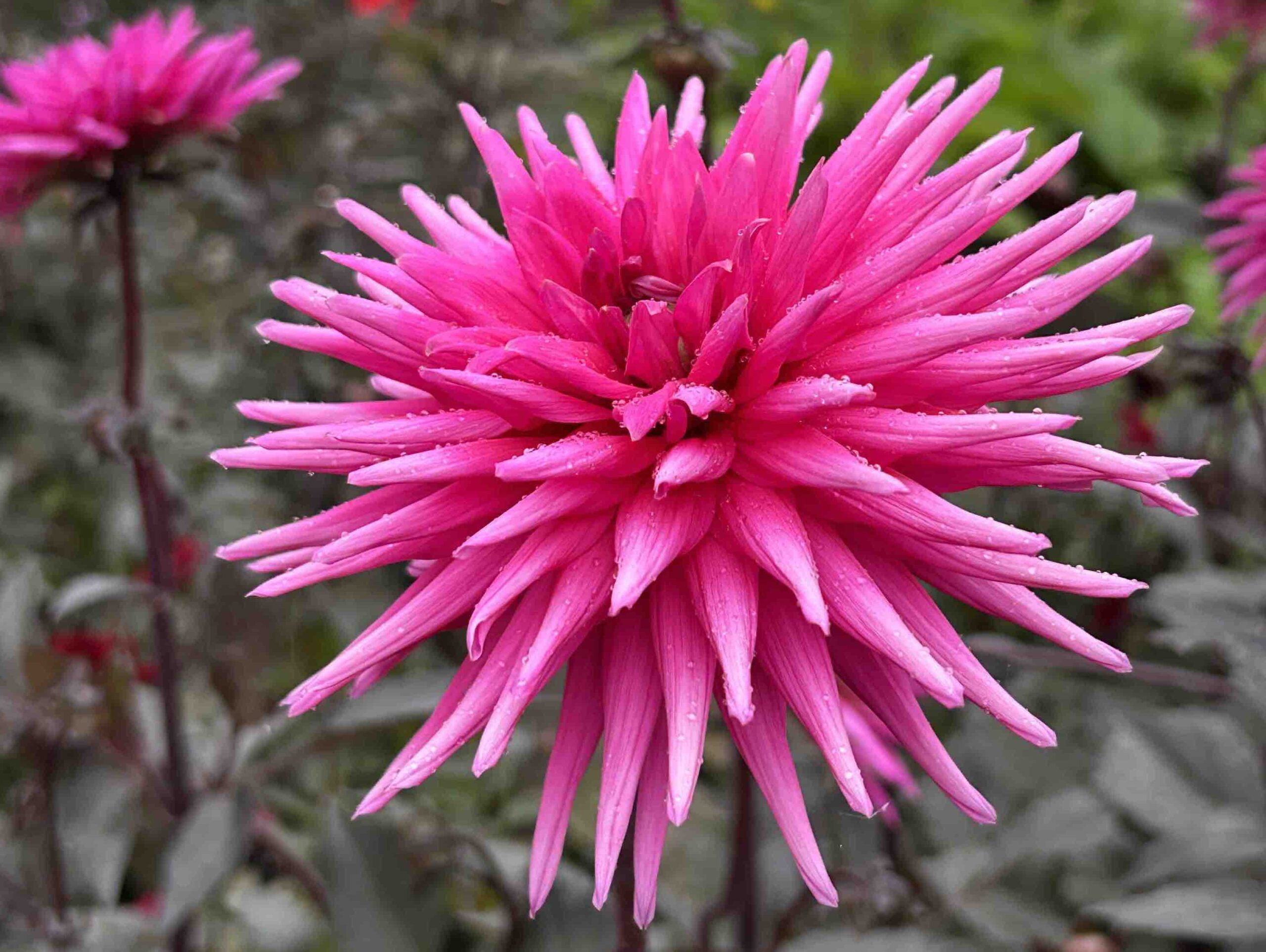
2. Winter warmer for dahlias
Dahlias are stars of the autumn border, keeping displays ablaze until temperatures dip. Many, like our sell-out ‘Electro-Pink’ (the first cactus-type dahlia with dark foliage) will keep going until foliage has been blackened by the first frosts, when it’s time to protect tubers from wet, freezing weather.
Cut decaying foliage off at ground level and use a garden fork to gently lift tubers from the soil. Brush excess soil off and allow tubers to dry for a fortnight before placing in a tray of sand and storing in a cool, frost-free place such as a garage over winter. Dahlia tubers can be left in situ if you’re on light, well-drained soil, but it’s a gamble; a layer of mulch will provide added protection from winter cold.

3. Sow sweet peas
Did you know that sweet peas sown in autumn will reward gardeners with earlier displays next year – along with bigger flowers borne on stronger stems?
A must for cottage garden borders, these hardy annuals can be sown from October to November. Fill deep cells with Westland Seed & Cutting Compost and plant one seed per cell. Keep compost moist and germinate at a temperature of around 15C.
Seedlings should be pinched out so they don’t become leggy; a process that encourages side shoots. Overwinter in a greenhouse or cold frame and look forward to a brilliant display next year. Call into Chestnut and browse sweet peas for flowers and fragrance in our Mr Fothergill’s range.

4. Plant a tree
Fiery leaf hues are on full display at Chestnut as our stock of trees show off their finest autumn colour. The incredible crimson, orange and purples of the sweet gum (Liquidambar styraciflua, pictured above), are on full display in our retail area, and we have a fantastic range of ornamental and fruit trees to suit gardens of all sizes.
Autumn is nature’s finest season for getting young trees into the ground, as long as the soil isn’t frozen or waterlogged. Dig in plenty of well-rotted garden compost or Westland Farmyard Manure when planting, to give your new trees the best start in life. Plus, check out our ‘tree-mendous’ end of season sale where you’ll find dozens of trees at up to half their recommended retail price!

5. Pot-up an autumn container
Are your pots, window boxes and hanging baskets looking dreary now that summer bedding is fading? Autumn and winter bedding flourishes throughout the colder months, and it’s time to get planting now.
Refresh pots by filling with a free-draining growing medium such as Sinclair Foremost Multipurpose Compost and choose winter pansies, violas, cyclamen and heathers for a display that will lift spirits in the mid-winter gloom. Trailing ivy, either plain or variegated, is perfect for softening the edges of containers. Looking to add a little height to autumn and winter displays? Plant Cupressus ‘Wilma’, a delightful little conifer with vivid golden foliage that gives off a zesty citrus fragrance if crushed!

6. Feed the birds
As temperatures fall and weather conditions become harsh, natural supplies of fruit, berries and insects in gardens and hedgerows can become scarce. Help feathered friends to survive winter by putting out wild bird food regularly.
Our Peckish pre-filled feeders at Chestnut offer a range of high-energy, high-fat treats that birds need to survive the cold months that lie ahead. From fat balls to seed mixes and energy bites, simply hang these feeders from branches or bird-feeding stations and marvel at the wonder of birds visiting your garden. Don’t forget to clean bird baths and keep them topped up with a regular supply of fresh water.

7. Give tired turf some TLC
Is your lawn looking patchy following the summer drought? Now that autumn rain has arrived, it’s a perfect time to breathe new life into tired turf. Autumn lawn feeds are rich in potassium and phosphates which strengthen roots of grass plants, helping lawns to survive periods of winter cold and wet.
Our Westland Aftercut All In One Autumn Lawn Feed and Moss Killer helps lawns to withstand winter stress. It greens-up grass and harnesses the power of iron to quickly eradicate unsightly moss.
October is an ideal month to scarify your lawn – use a spring-tined rake or powered scarifier to pull out dead grass and debris (known as thatch) that’s built up over the season. Looking to thicken up your lawn by over-seeding or sow a new lawn from scratch? The shelves at Chestnut are brimming with fast-start lawn seed that’ll help to get new lawns established ahead of winter.
