

With Bonfire Night upon us and leaves tumbling at a rate of knots, there’s plenty to do in the autumn garden. Here, the experts at Chestnut Nursery in Poole round-up the top gardening jobs for November, ensuring your plot is in great shape before winter sets in. Pop into Chestnut for autumn gardening advice and inspiration – we’re open seven days a week!

1. Plant Paperwhite Narcissi
Fill your home with fragrance in time for Christmas by planting Paperwhite Narcissi now. With their pure-white blooms, held in clusters of 10 reaching up to 30cm high, Paperwhites are strongly fragrant and ideal for growing in Terracotta pots or bulb bowls.
Fill pots with bulb fibre or multi-purpose compost and plant bulbs so the growing tips are just protruding from the surface. At Chestnut, we have Paperwhite bulbs in our store ready for planting and pre-planted pots growing on our nursery, which will be ready for sale soon. Once in bloom, their midwinter scent is unforgettable!

2. Get hedging plants into the ground
If your garden lacks privacy, or you’re fed up with replacing rotten fence panels, plant a hedge. Living boundaries create valuable wildlife habitats and filter strong winds, resulting in a sheltered micro-climate in your garden. If the weather is mild and soil is workable, November is an ideal month for getting our favourite evergreen hedging plant – Griselinia littoralis – into the ground.
With waxy, apple-green leaves, the New Zealand Broadleaf, to use its common name, forms a dense, fast-growing hedge that thrives in coastal areas. Don’t forget to dig-in some Westland Garden Manure to enrich soil and give your new hedge the best start in life.
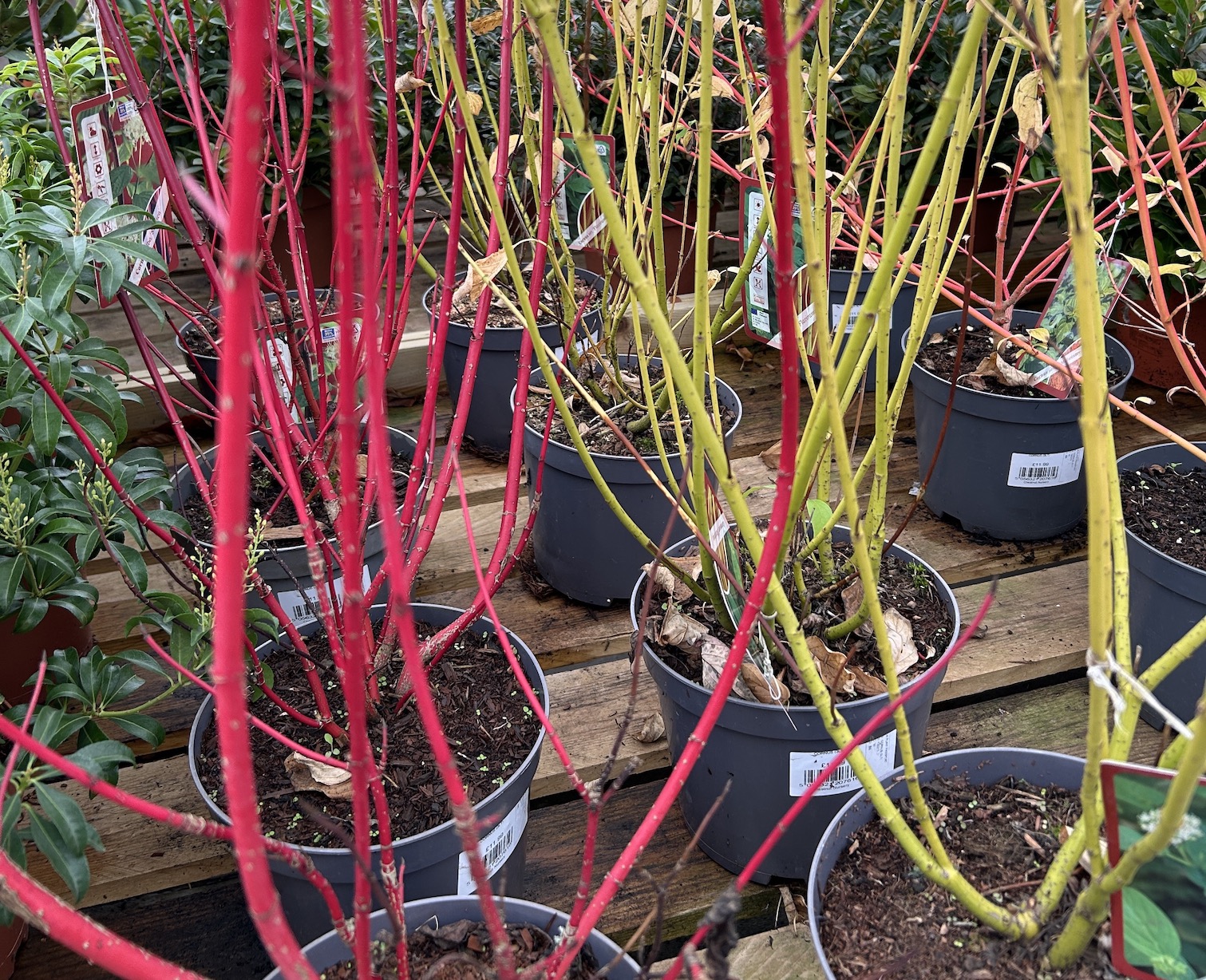
3. Buy delightful dogwoods
When it comes to naked stems that stand out, dogwoods are unrivalled for winter colour. These easy-to-grow shrubs are at their finest once leaf fall is complete, displaying the brightest of hues on freezing winter days.
The luminous green stems of Cornus sericea ‘Flaviramea’ are prized for their ability to form a stark contrast to fiery dogwoods, such as Cornus alba ‘Sibirica’, an all-time favourite for its glowing crimson stems. You’ll find both at Chestnut now; perfect for creating a winter wonderland border.
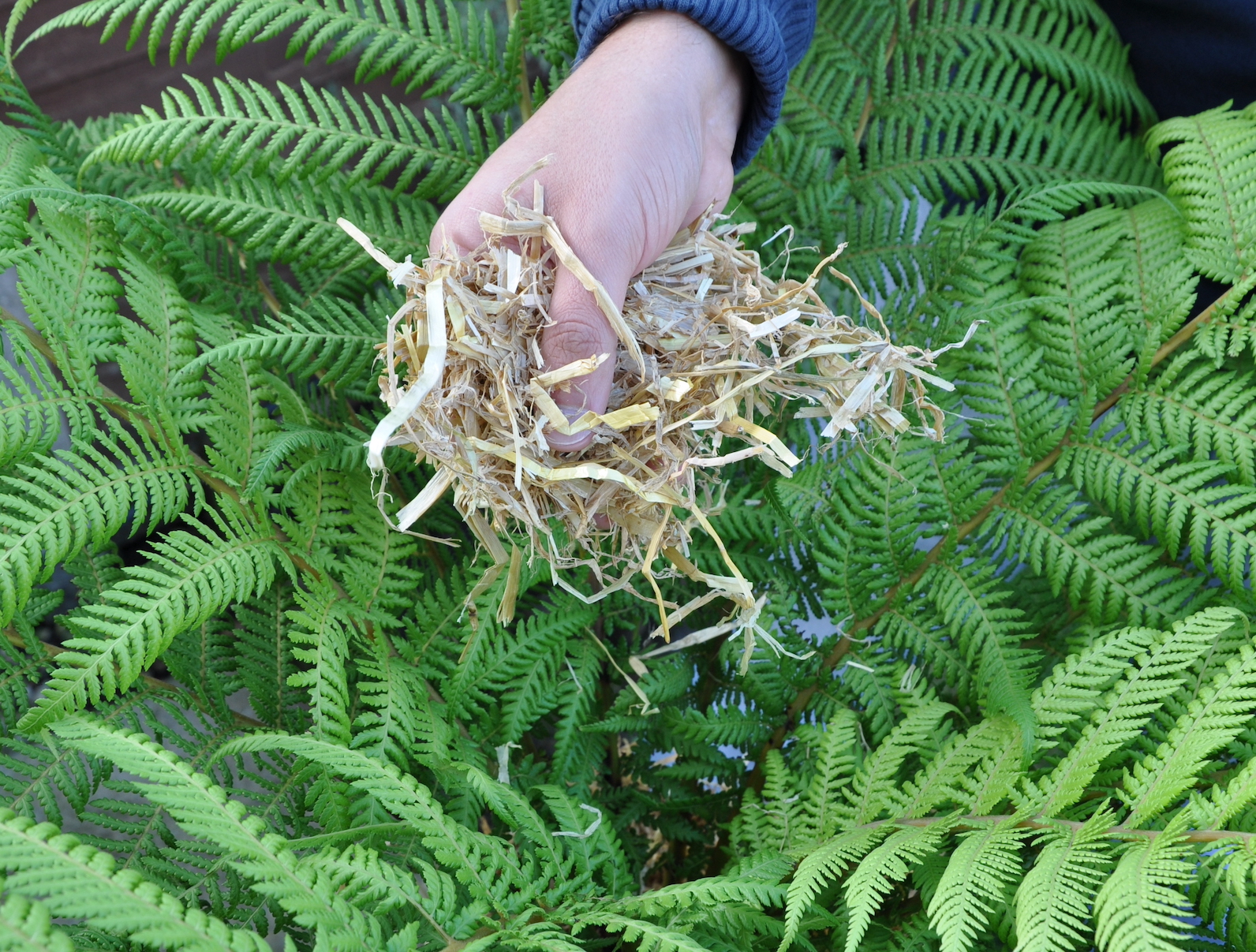
4. Wrap up exotics for winter
Giving your exotics a little TLC will help them to survive the harshest of winter weather. The hardy banana, Musa basjoo, should have its stem loosely wrapped with breathable fleece, secured in place with twine. Leaves can be left to protrude from the top: any that are frost-damaged can be cut away in spring to allow new foliage to emerge.
Tree ferns (Dicksonia antarctica, pictured above) should be protected by gently pushing a handful of straw into the crown. In exposed areas, the trunk of young tree ferns can be circled with plastic or metal gauze with straw gently pushed in to provide an added layer of insulation from winter cold.

5. Clean and insulate greenhouses
If you’re overwintering plants in greenhouses, high levels of light transmission during the winter months are vital. Wipe off paint-on shading using a duster, then wash glass inside and out using warm, soapy water before rinsing thoroughly.
It’s a good time to empty the entire greenhouse and clean all pots, seed trays and staging using a general-purpose disinfectant (you’ll be amazed how many snails hide away in empty pots!) Where greenhouses are heated to remain frost-free, insulating the interior using bubble-wrap is essential to retain warmth and avoid running up a hefty energy bill.

6. Don’t mow too low!
Leaving your grass to grow slightly longer can help lawns to survive the ravages of winter. With the final cut of the season around the corner, raise the height of your mower’s blades by a notch or two to increase the height of the cut – but avoid mowing when the ground is excessively wet or if it’s frozen.
If ground is compacted and grass is sparse, spiking the lawn with a garden fork can help to aerate the soil and improve drainage. When conditions are fair, this is gardeners’ last chance to apply an autumn treatment such as Westland Aftercut All In One Autumn Lawn Feed and Mosskiller, which will strengthen roots, green-up grass and banish moss.

7. Boost container drainage
Good drainage is essential to ensure that container plants survive winter. Remove saucers placed underneath pots in summer to catch run-off, and raise containers up on pot feet so any excess moisture drains freely from holes at the base of the pot.
Borderline hardy plants in containers will thank you for circling pots with bubble wrap, secured in position with waterproof tape – it’ll add an extra layer of insulation and help to protect roots during a big freeze. Grouping pots together by the wall of a house can keep plants snug, too.
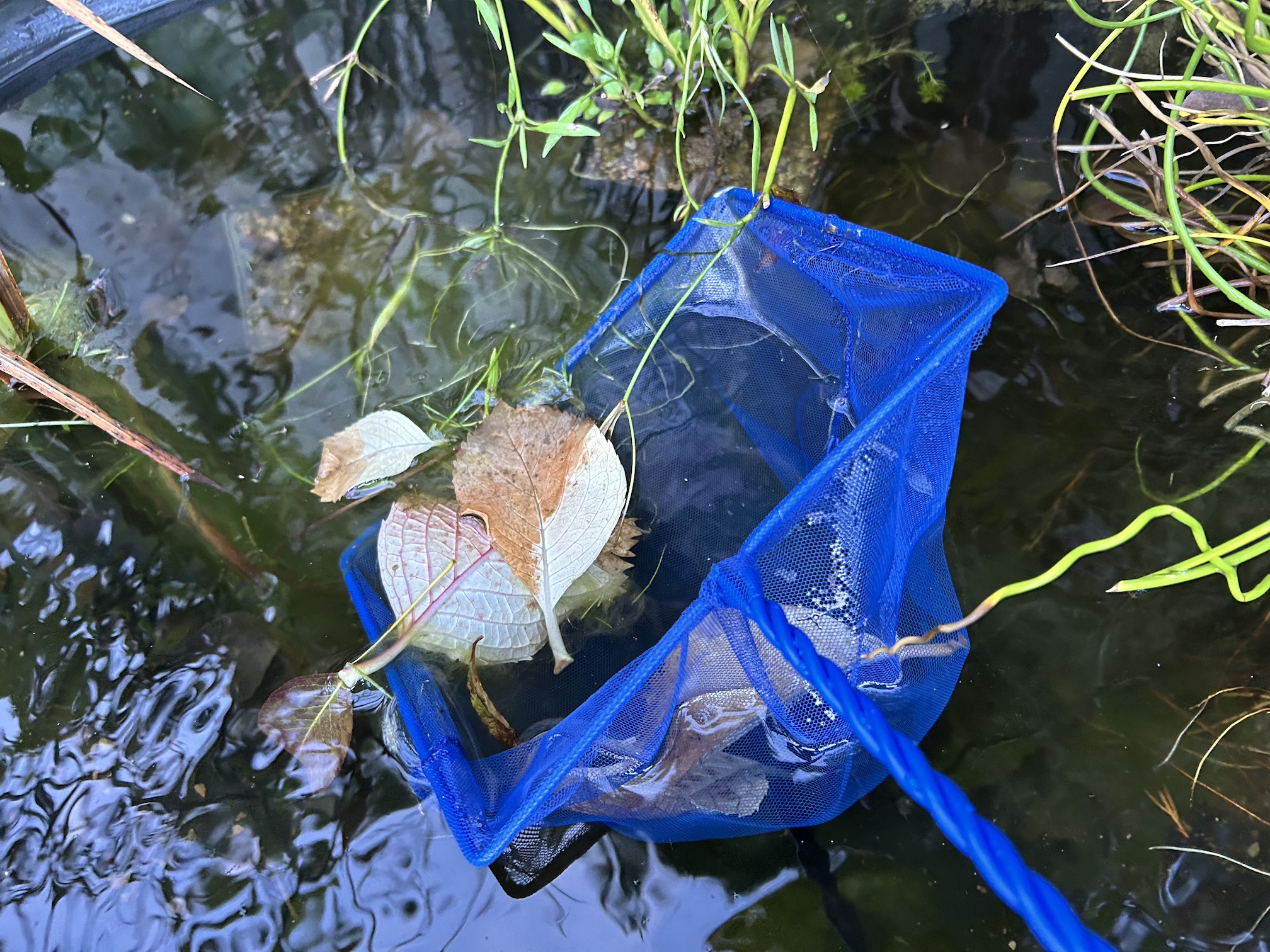
8. Prepare ponds for winter
Build-ups of leaves in ponds can accelerate the growth of algae and unsightly pond weed, leading to poor water quality that can harm fish and aquatic wildlife. Use a fine net to scoop fallen foliage from the water before it decomposes.
Decaying water lily pads should be removed, while marginal plants that have become overgrown can be cut back. Covering the pond with netting can help to prevent leaves from tumbling into the water, especially where trees are shedding foliage nearby.
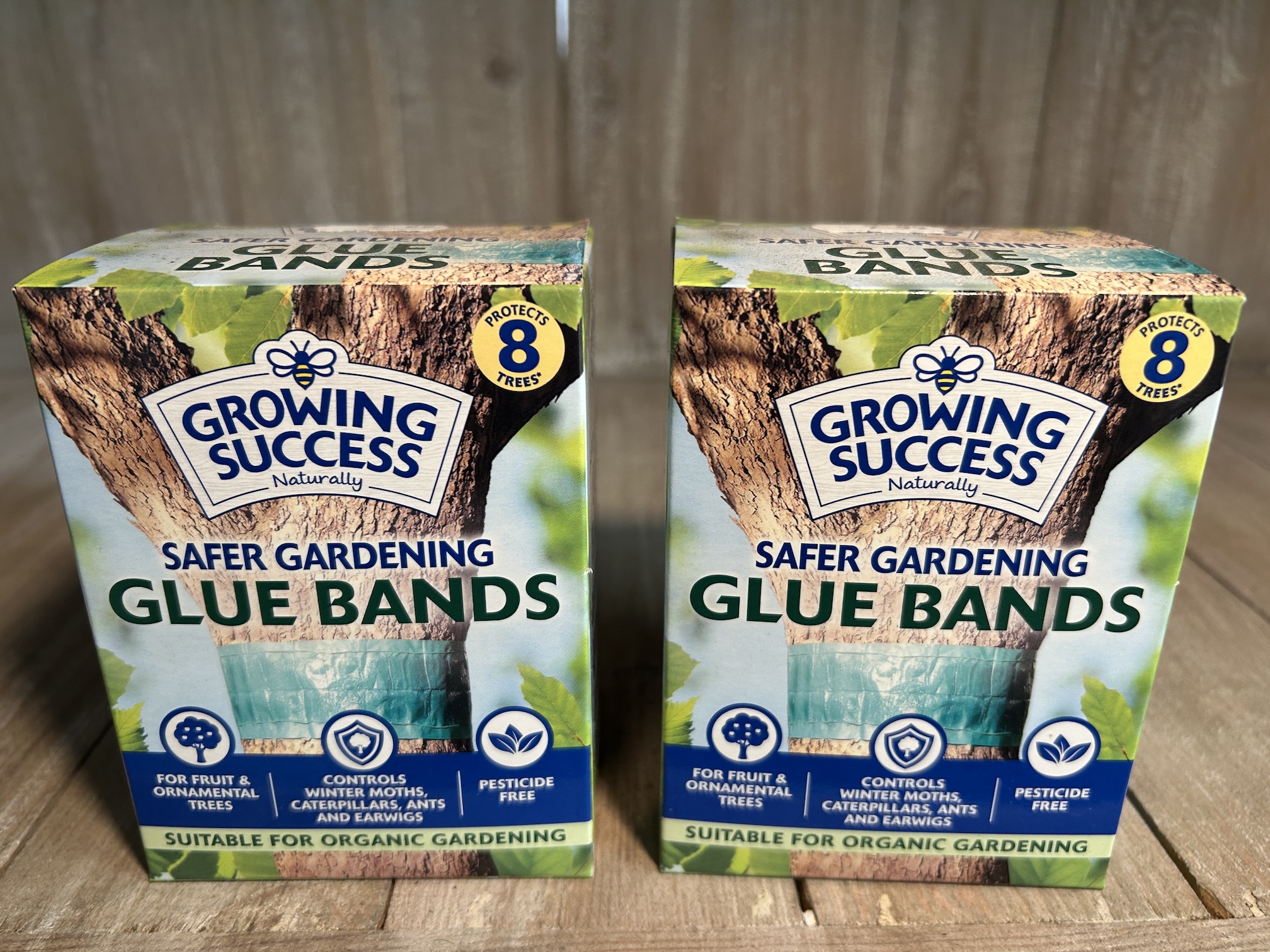
9. Protect fruit trees from caterpillars
If caterpillars of Winter Moth destroyed buds on your fruit trees in the past, now’s the time to take action. Prioritise at-risk fruit trees such as pear, apple, plum and cherry, fitting Growing Success Glue Band Traps around the trunk beneath the lowest branch, at least 50cm above ground level.
These clever traps create a barrier that prevents wingless female moths climbing trees to lay their eggs. Ideal for organic gardeners, glue band traps should be fixed into position in autumn and left in place until spring.