For people whose lives are blighted by homelessness, addiction and turmoil, hearing a tale of recovery against all odds can act as a beacon of hope.
Andrew is a service user – referred to as Team Members – at Cherry Tree Nursery in Bournemouth, run by mental health charity Plants and Minds (which also operates Chestnut Nursery in Poole). The charity is a proud member of the Homelessness Partnership BCP.
Andrew has chosen to share his personal story in the hope that others will be inspired to turn their lives around using the power of horticultural therapy.
For Andrew, nurturing plants at Cherry Tree, which provides meaningful occupation for adults experiencing life-impacting mental health conditions, has succeeded where all other avenues failed.
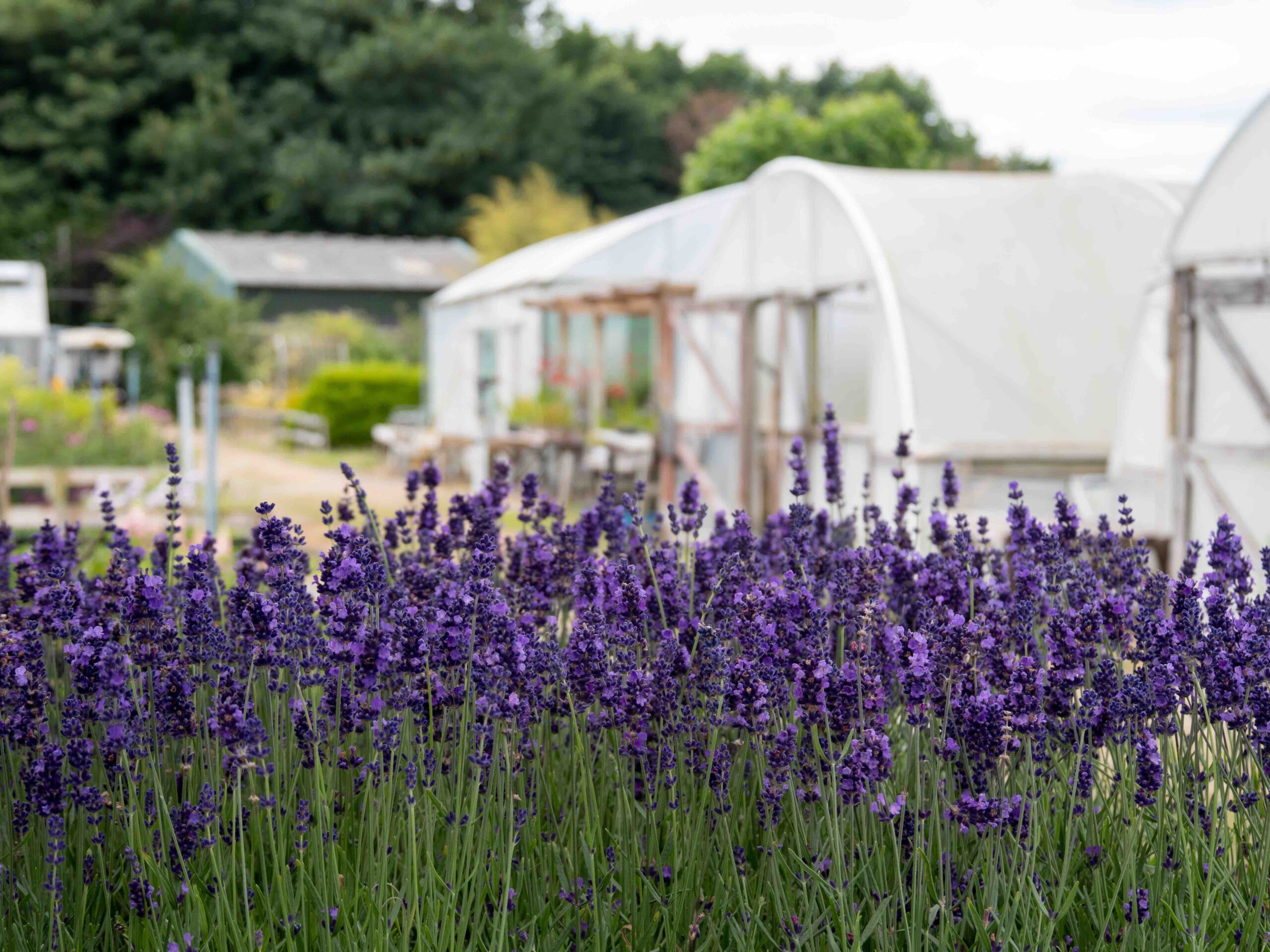
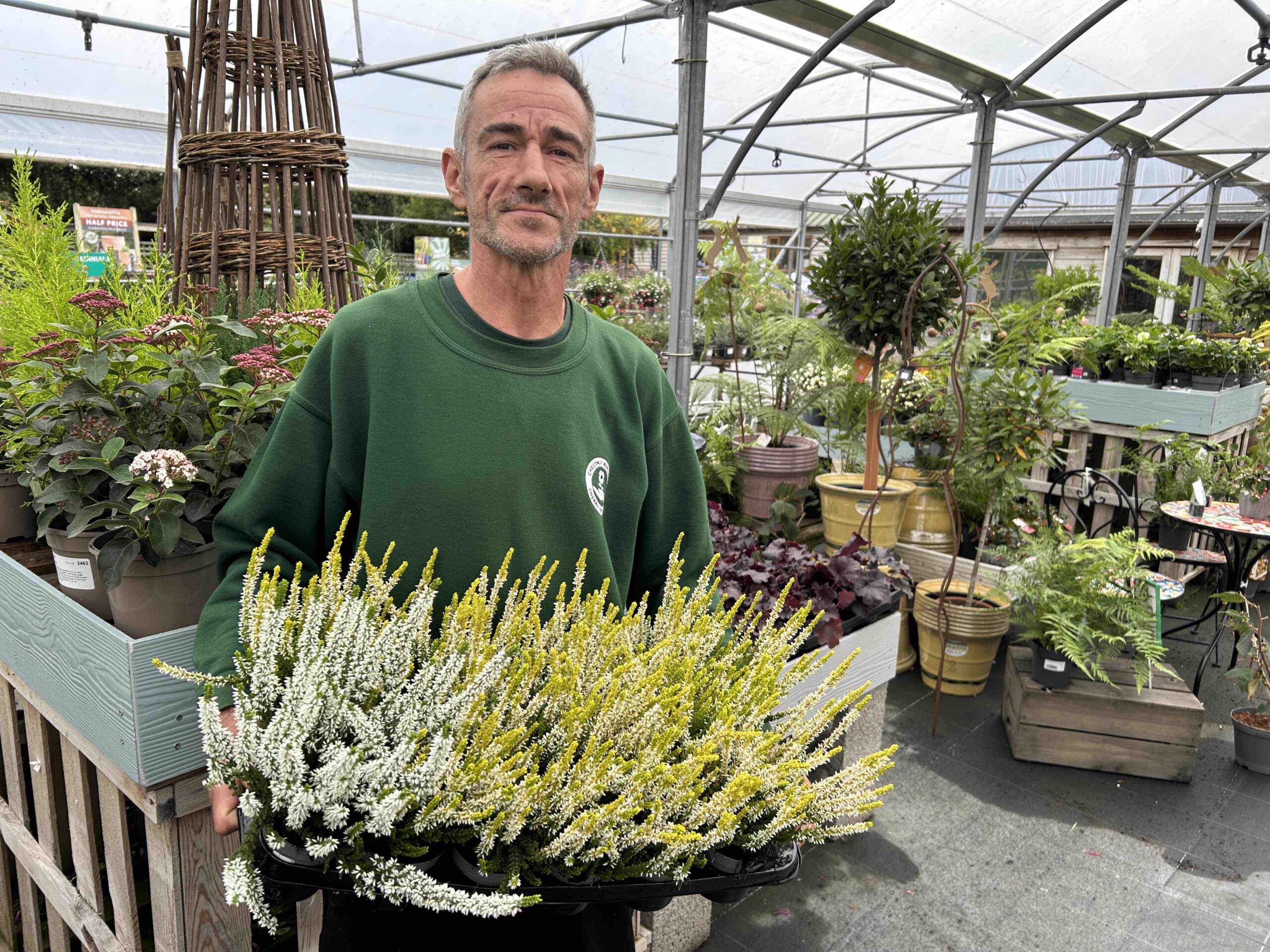
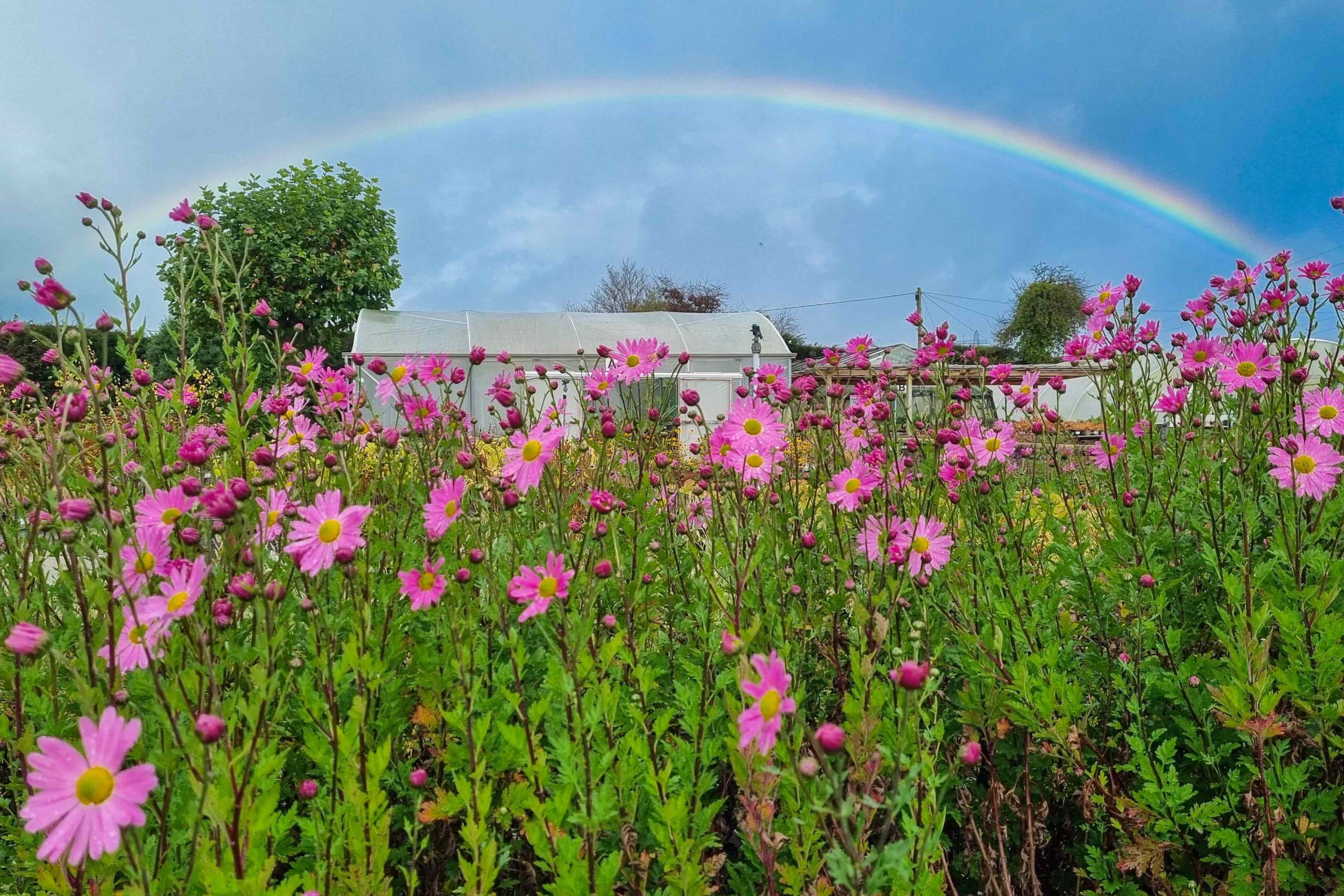
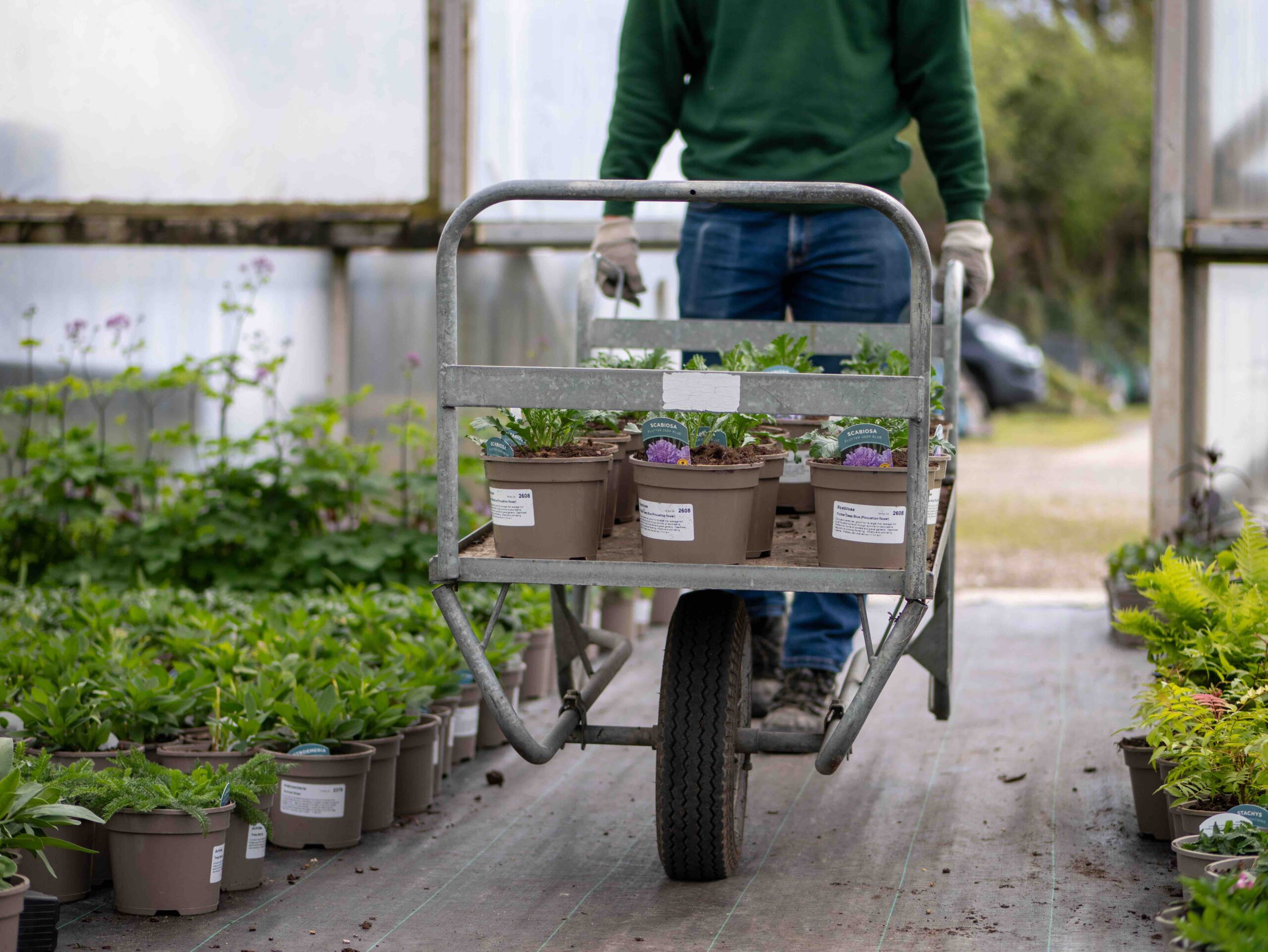
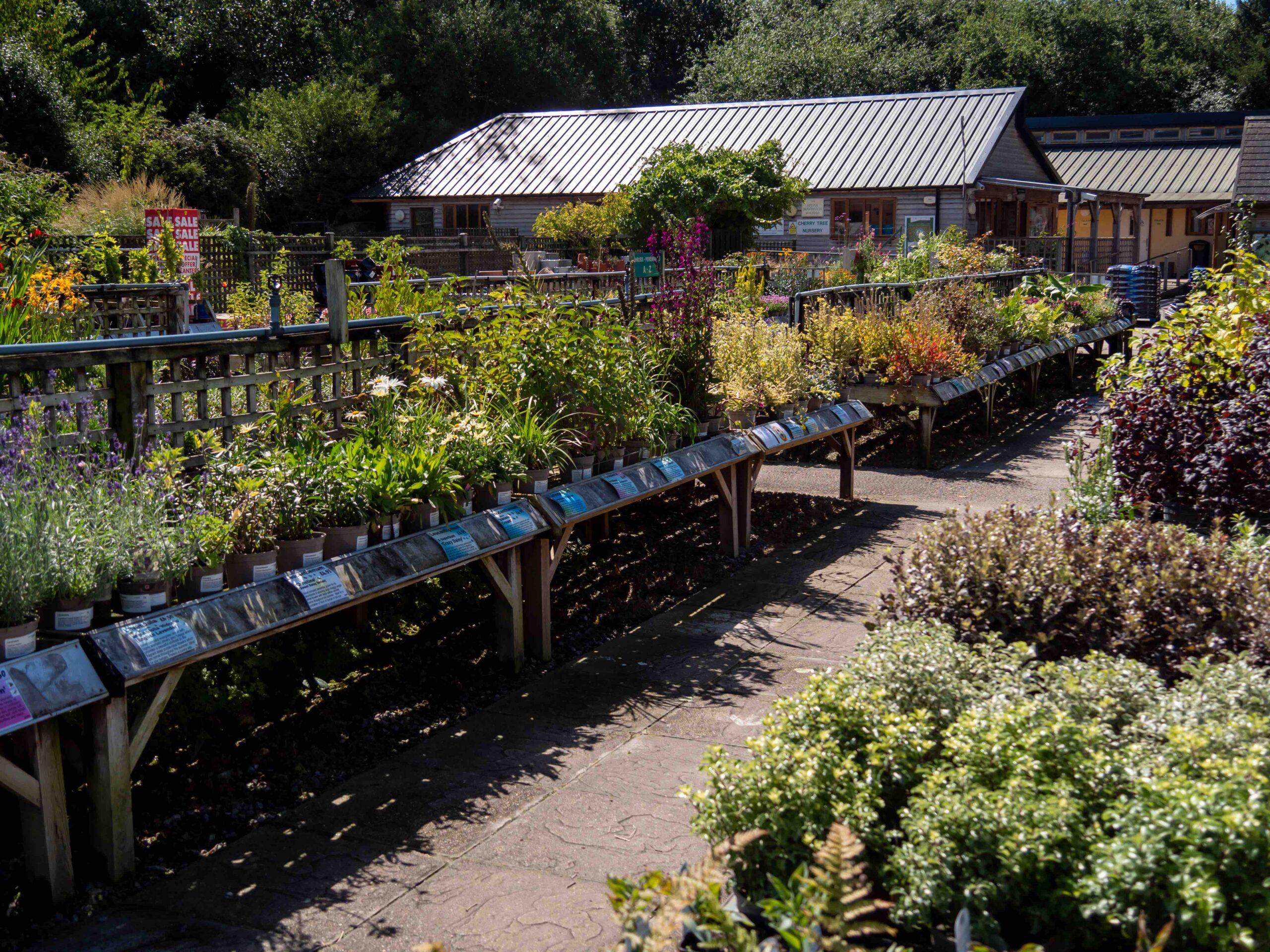
Here, in an article illustrated by pictures of the nursery where Andrew finally found sanctuary, he talks openly about his lived experience – revealing that being a valued member of the Cherry Tree team, supported by an understanding, non-judgemental, close-knit community, helped him to finally conquer his demons.
Born into what he describes as a dysfunctional family rooted in cult-like levels of authoritarian control, Andrew attributes his turbulent childhood behaviour to an unloving and ruthless culture at home that dominated every aspect of his youth.
“I became troublesome and hard to manage,” says Andrew. “I had no impulse control and my parents didn’t have coping skills. I grew up in a culture of extreme discipline, to the point where my parents controlled when I ate and the amount of food I had. Their approach was children should be seen and not heard. If I tried to speak back, I’d be shot down.”
A childhood immersed in fear, alienation and neglect resulted in a swift deterioration in Andrew’s mental health. He explains: “I started stealing and got caught at the age of six. I was rebelling against authority and simply taking what I thought I should have as a child. I used to steal food from the cupboards, fridge and freezer at home, just to meet my basic needs. I was always hungry. Stealing from shops came later, at the ages of eight or nine.
“At school, I couldn’t sit still or concentrate. I’d disrupt class and climb out the windows, with teachers relaying my bad behaviour to my parents. My dad felt shame, because this conduct didn’t fit his agenda. The consequences were brutal. I was expelled from school aged nine. My parents’ response was harsher, physical discipline – being given a good hiding. I was taken to a child psychologist but in the 1970s they didn’t have a clue,” he says.
Between the ages of 11 and 16, Andrew was sent to a school for disruptive boys, eventually becoming a residential student. He explains: “It was a place of abuse: physical, mental, psychological, verbal and sexual. But I still chose to stay in that environment, rather than going home, because of my dad’s abusive behaviour.”
Andrew explained how occasionally staying at his auntie’s house, on breaks from residential school, paved the way to a life of addiction. He says: “My auntie let me stay up late and watch tv, which would have been unthinkable at home. Once, she got a whisky and lemonade, and offered me a sip. I thought it was amazing; those few sips of alcohol as a child introduced me to the effect of drinking to ease pain.”
Then aged 13 and drinking with teenage friends, Andrew says dependency on alcohol and cannabis “progressed like a disease”, resulting in his placement on a youth training scheme as a boat builder falling by the wayside. Permanently thrown out of home and engaging in theft to pay for his addiction, he was sent to prison before he had even turned 18.
Finding himself homeless after completing a custodial sentence, Andrew was put in a hostel. He says: “We were four in a room. People would come in drunk, or self-harming in the night. I was working at a food factory but couldn’t stomach going back to the hostel. I hated it so much I decided to make myself homeless in the hope that something would come up for me.
“I was sleeping in rhododendron bushes in Bournemouth gardens, and under the pier. I didn’t know how to survive apart from stealing. One lad told me about the Salvation Army. They were such kind people and looked after us. This was my first introduction to people who helped others for no return.”
Powerless to overcome addiction
From sleeping rough to stints in bedsits and flats, Andrew’s addiction had progressed to class A drugs and life revolved around a circle of being housed and rebounding into homelessness, interrupted by “going to prison about every year for 11 years”, until the age of 36.
Andrew sums-up his most difficult years: “Prison became a sanctuary for me; a time to recuperate, put on weight, eat food, go to the gym and do some work. But as soon as I was released, I had no defence against the disease of addiction. Willpower was useless.
“There were overdoses. I had a blockage on a heart valve. I was infected with Hepatitis C. I felt powerless and helpless. I threw my hands up in the air, knowing this was going to take my life. I had no self-belief or self-esteem. Every penny I had went on drugs. I saw no way out apart from death and made multiple suicide attempts. I was desperate.”
Many organisations supported Andrew’s recovery, including drug, alcohol and mental health organisation We Are With You, and homelessness charity St Mungo’s. Andrew describes himself as “one of the lucky ones”, having been temporarily housed under the Everyone In initiative, where support organisations rallied to house people experiencing street homelessness at the start of the Covid-19 lockdown in 2020.

Long before the pandemic, a psychologist had recommended that Andrew carry out voluntary work at Cherry Tree Nursery as part of his recovery. Andrew says: “At the time, my attitude was ‘I don’t do nothing unless you pay me’. But I thought I’d give it a go.
“It was totally the wrong attitude. Over time, while I was in recovery at Cherry Tree, my behaviour changed. I wanted to do this for myself. And my sponsor reminded me that one of the core foundations of recovery is service. Working on the nursery taught me to stop thinking about myself for two minutes, consider other people and be a part of something bigger. It gave me a sense of purpose and direction. I realised I had something good here.”
Team members at Cherry Tree grow thousands of perennials, climbers, veg plants and hedging for sale to the public, with proceeds supporting the horticultural therapy scheme. Working outdoors in the fresh air, surrounded by nature and a supportive community, proved to be the lifeline that Andrew had sought during so many years of despair.

Andrew adds: “I began to realise I like plants, and have developed a great working relationship with the staff. Now in my 50s, I’ve grown enough to see that the world doesn’t revolve around me, and the team has helped my personal development. I volunteer twice a week at Cherry Tree and I love it – it’s brilliant for my mental and physical health. Working on the nursery gives me a sense of achievement, accomplishment and community. I get to reach out to people here, and if I see people struggling, they reach out to me. We even have support on-site from Citizens Advice. What a great place this is!
“Cherry Tree Nursery has given me a platform to practice accountability: that means showing up – whether you feel like it or not – you’ve got to do it. I know that if I turn up and get stuck in, I’m going to feel better. I can sit at home feeling depressed, or put a bit of effort in and connect with others, work with plants and reap the benefits.”
Andrew has a message of hope for others, summing up: “No matter how far you plummet through consequences of mental health, childhood trauma or falling in with the wrong crowd, Cherry Tree is a way of grounding yourself. You get plenty of time while working with plants to process things in your mind. Volunteering at Cherry Tree teaches you to be tolerant of people; to put life into perspective and to be a friend to others. We achieve great things together here on the nursery. I have no intention of ever leaving.”